The Backstory
Some of the most important conversations happening at City Hall are also some of the hardest to explain.
When plans for San Antonio's proposed Sports & Entertainment District began taking shape, the project quickly became the subject of significant public debate. It was a massive proposal with multiple components, multiple potential funding sources, and plenty of legitimate questions about what a project of that scale could mean for the City's other priorities. The complexity of the financing also made it easy for different parts of the proposal to become conflated.
One concern we heard was that money already dedicated to neighborhood streets and sidewalks was simply being taken away and redirected toward the project. The actual funding conversation was considerably more complicated. Different components of the district were being considered through different funding mechanisms, each with its own rules and restrictions. At the same time, broader questions about how major downtown investments could affect the City's future infrastructure priorities were, and remain, a legitimate part of the public conversation.
That gap between what people were hearing and how complicated the reality actually was became the starting point for The Breakdown.
Building the Identity
Before The Breakdown became a video series, it started as a design concept.
I began in Illustrator, experimenting with what a series about a subject this complicated could look and feel like. From the beginning, I wanted to create something that felt different from the communications people typically expected from a City Council office. The Sports & Entertainment District was a massive, highly visible proposal, and the conversation surrounding it was moving quickly. I wanted the creative direction to meet that moment with the same energy.
This was also one of the first major issues Councilwoman Ivalis Meza Gonzalez would navigate after taking office. Beyond explaining the proposal, the communications needed to establish a recognizable, professional presence for her office within a conversation that had quickly become one of the loudest I had experienced during my years working in local government.
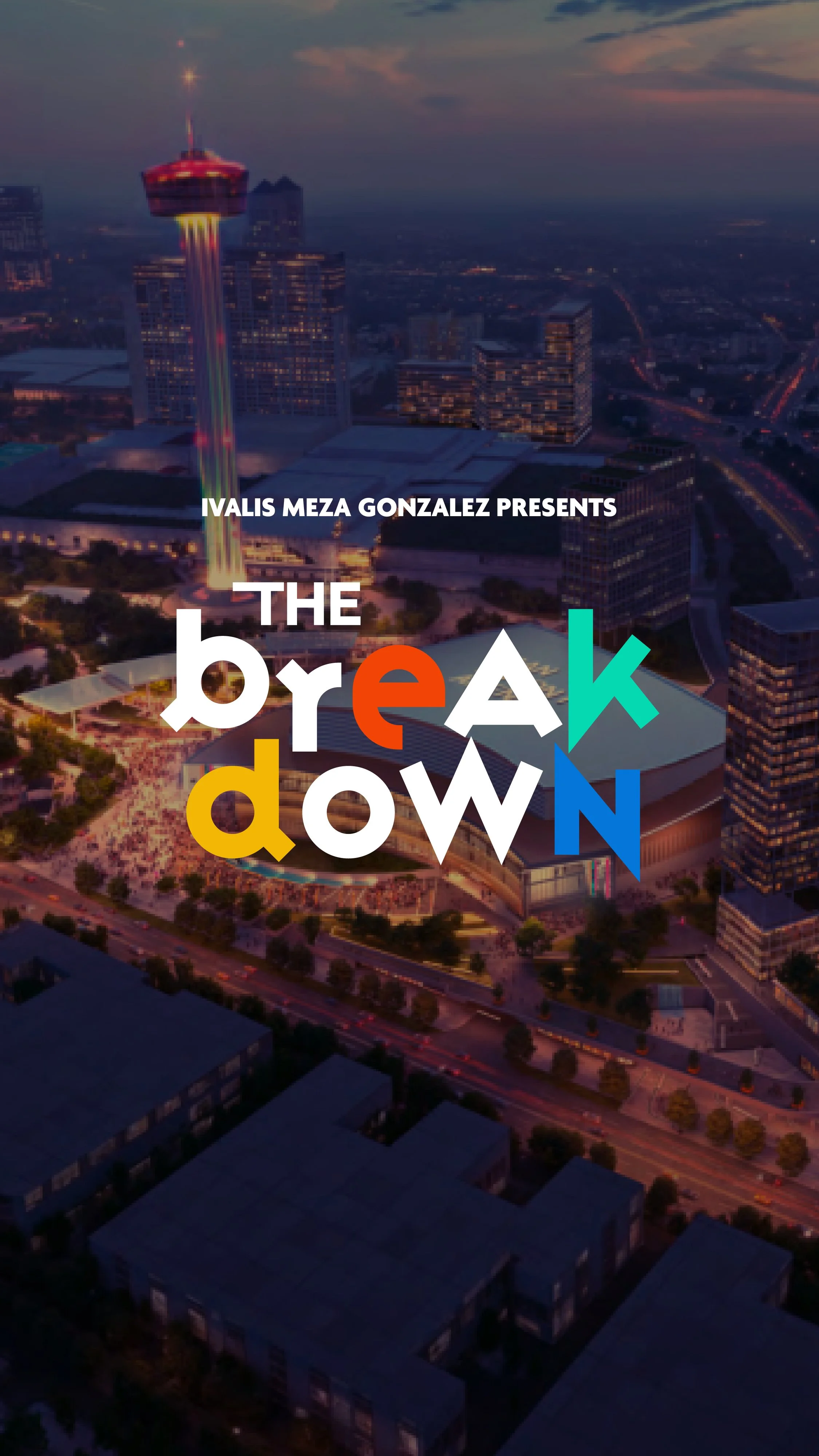
An identity with as many moving parts as the story itself.
I built the identity around energy, modernity, and movement. Visually, I drew inspiration from documentary title sequences, digital editorial design, and the layered feeling of a scrapbook. Bold typography sits alongside photography, texture, saturated color, and graphic elements that feel assembled rather than perfectly uniform.
That collage-like approach was intentional. The proposed district itself brought together a variety of venues, funding mechanisms, organizations, and ideas within one much larger vision. I liked the idea of the visual identity working in a similar way, with individual elements that could feel different on their own but become part of something cohesive when brought together.
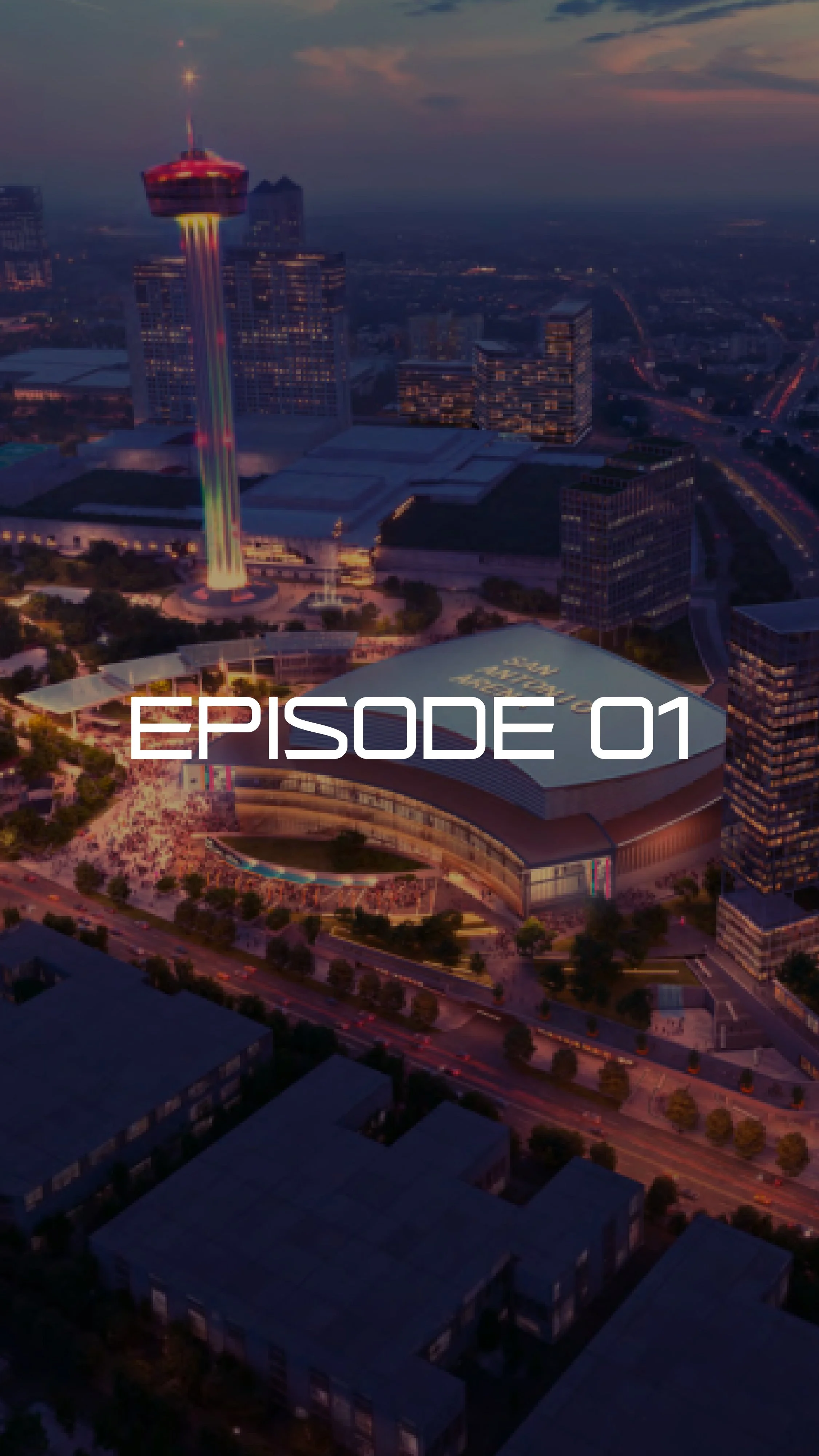
From there, I took the static identity into motion. I designed and produced an opening sequence inspired by the pacing and visual language of documentary series, using dramatic imagery of downtown San Antonio, animated typography, texture, and movement to give The Breakdown its own recognizable introduction. I wanted the first few seconds to signal that this wasn't going to feel like a traditional government explainer.
Opening sequence to the video series.
Episode 1 Teaser
The teaser introduced The Breakdown before getting into the details, establishing the series' visual identity and previewing the questions we would explore. It was designed to build curiosity around the first topic while signaling that this wouldn't feel like a traditional government explainer.
Episode 1
The first edition focused on the proposed Sports & Entertainment District. Instead of trying to explain the entire project in a single video, I structured the campaign as a multipart series, beginning with the larger proposal and then digging into specific questions, including how different funding mechanisms worked and what those dollars could legally be used for.
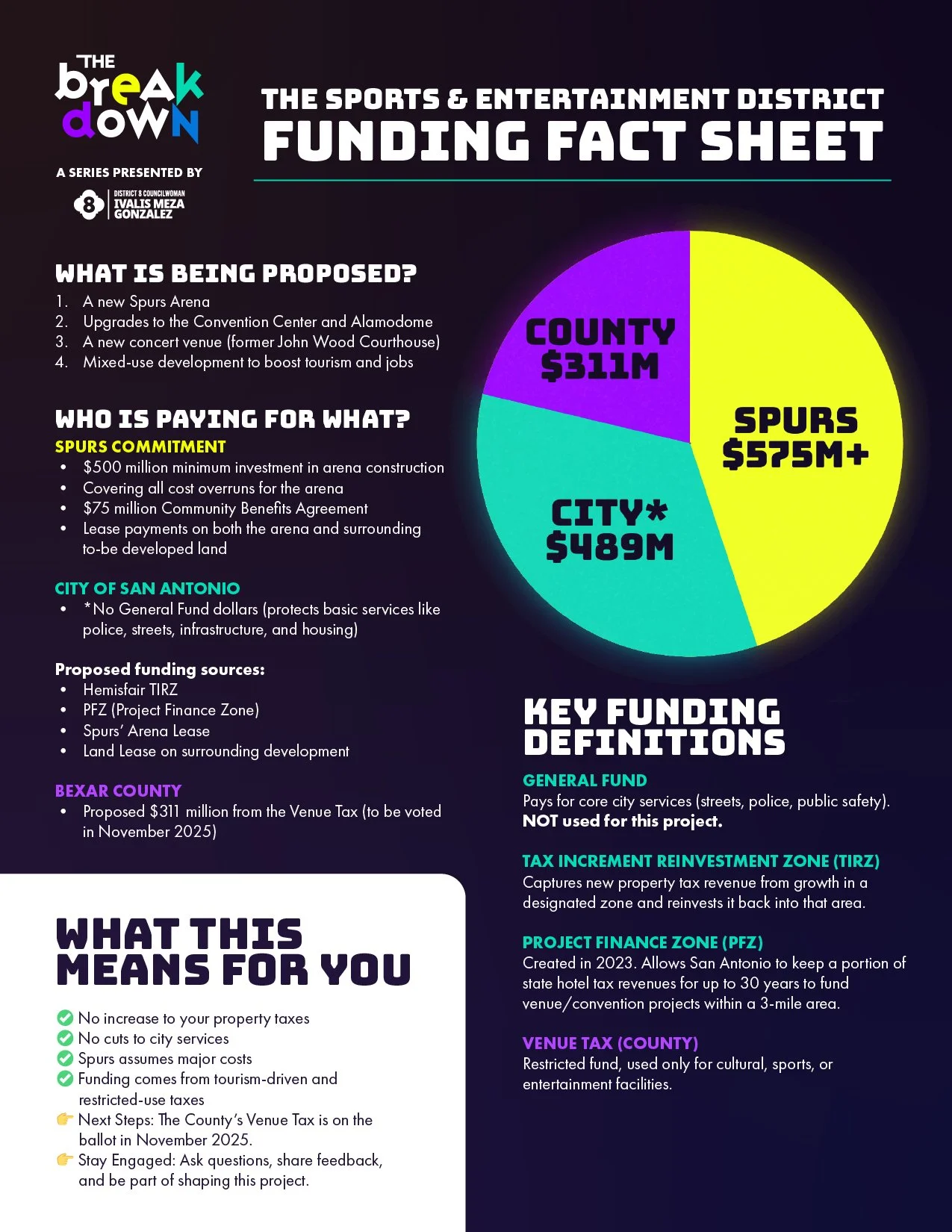
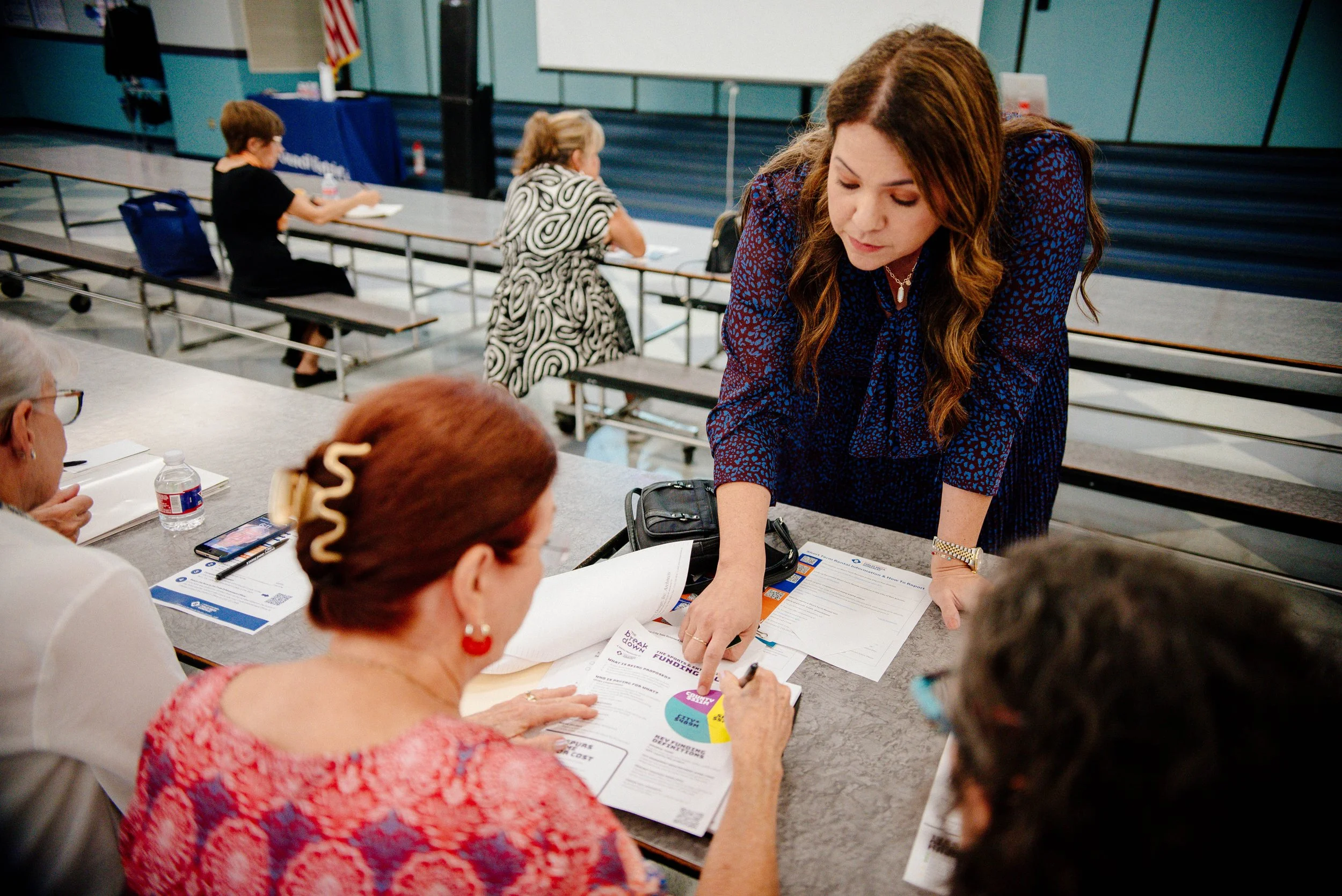
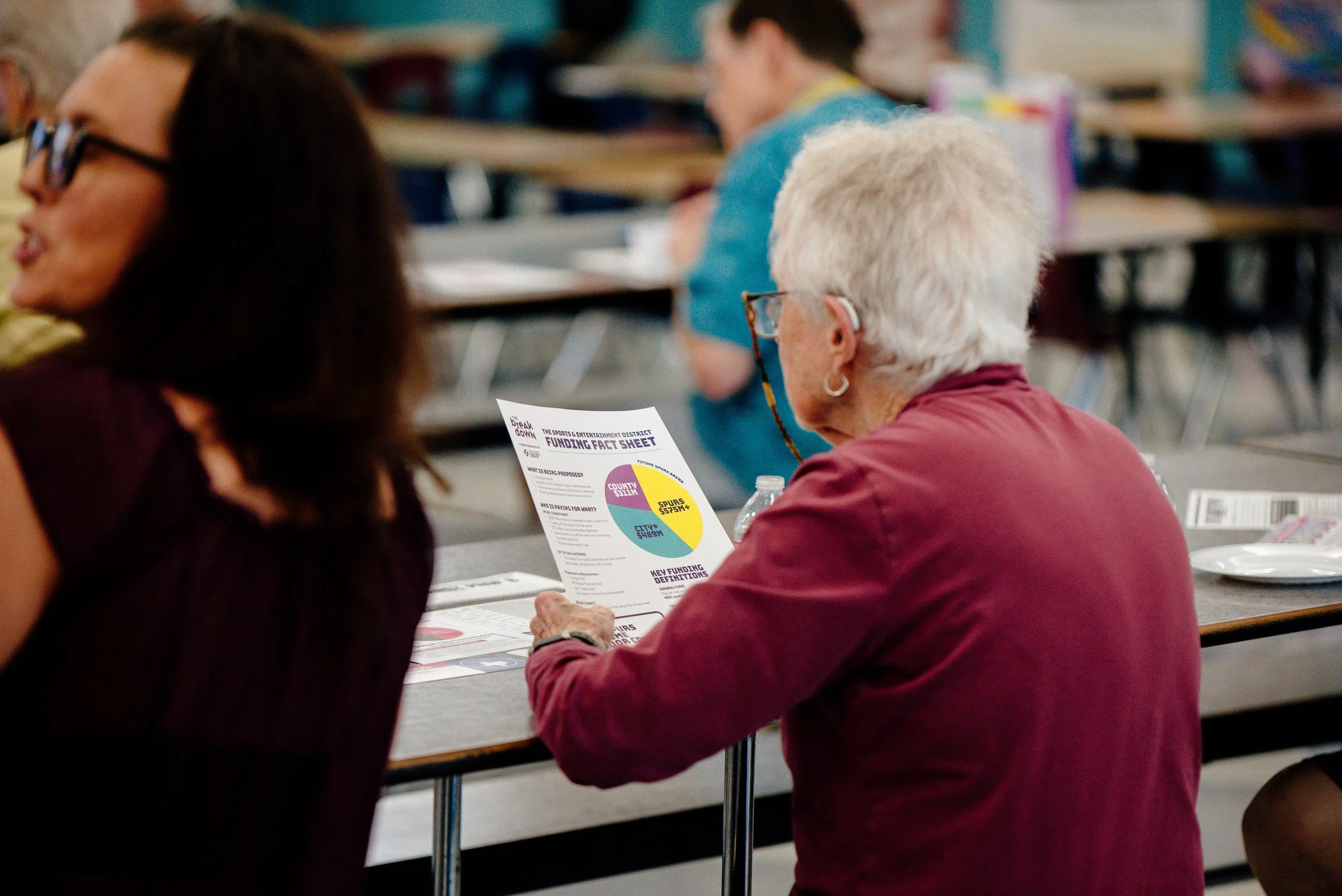
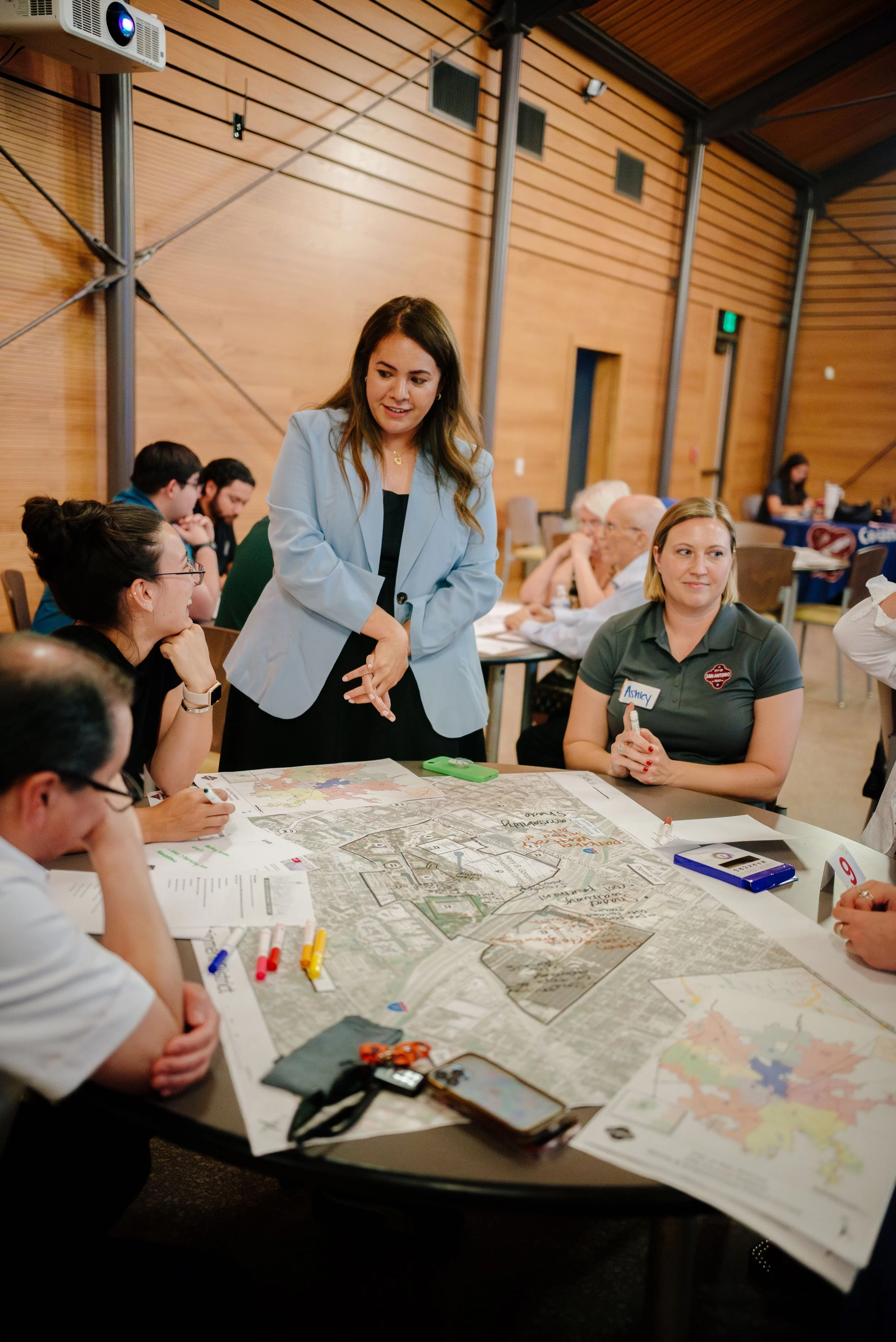
My role touched nearly every part of the campaign, from naming and branding to content strategy, video production, motion graphics, photography, and supporting visuals. I also expanded The Breakdown beyond social media into a broader communications system, including a dedicated webpage, fact sheets, digital graphics, town hall materials, and direct-to-resident communications.
At the center of it all was a challenge I encounter often in public-sector communications: How do you simplify something without oversimplifying it? The goal wasn't to tell residents what conclusion to reach. It was to organize a complicated conversation, provide context that was often missing, and give people a better foundation for understanding it.
The Results
The launch gave me an opportunity to see whether that approach connected with our audience. Compared with the 30 days before the campaign, the three initial videos substantially outperformed our typical Instagram content, particularly in reach and sharing.
+86%
Higher average Instagram reach
1,175 accounts reached per post, compared with 631 before launch.
+48%
Higher average Instagram engagement
1,175 accounts reached per post, compared with 631 before launch.
10+
Follows from three videos
Compared with just three follows across the previous 20 posts.
What stood out most wasn't simply that more people saw the content. People shared it. For a series built to help residents navigate a complicated public conversation, that was an especially meaningful result. The goal wasn't to tell people what to think. It was to give them a better way to understand what was happening.